How Much Sand Do You Need for a Paver Patio?
Published August 13, 2026
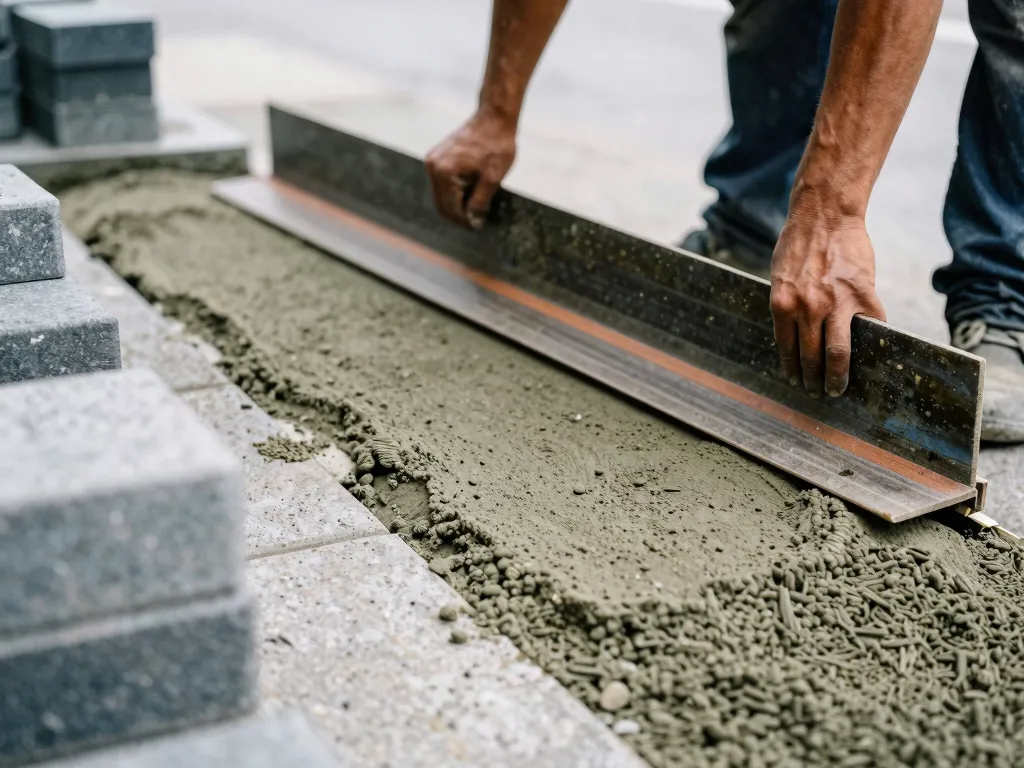
4 inches of compacted gravel base topped with exactly 1 inch of bedding sand is the standard recommendation for a paver patio. That gives you the foundational support and proper leveling you need.
What that answer actually depends on
Even though the sand layer stays consistent at 1 inch, how deep your gravel base needs to be depends on several factors:
- Subgrade soil type. Stable, sandy, well-drained soil may work fine with a 4‑inch base; clay soil or poorly draining ground needs more support. (crushedstonecalculator.com)
- Load and use. Foot traffic areas—patios and walkways—can stick to the 4‑inch standard. But if you expect heavy furniture, frequent deliveries, or vehicle access, you’ll need a thicker base. (figurecalc.com)
- Climate. In regions with freeze–thaw cycles, a deeper base helps reduce frost heave and shifting. (figurecalc.com)
How it varies by condition or region
Several authoritative sources draw the same lines between project types:
- The civil engineering guide FigureCalc recommends a compacted gravel base of 4 in for patios, 6–8 in for residential driveways, and 8–12 in for heavy-use areas—always paired with 1 in of bedding sand. (figurecalc.com)
- A crushed stone depth guide repeats this: 4–6 in base for walkways and patios, and 6–8 in for driveways over passenger vehicles; deeper when soils or loads demand. (crushedstonecalculator.com)
That consistency holds across geographies—whether you’re in a stable northern yard or a wet southern slope, sand doesn’t change, but your base ought to reflect the ground below and the wear above.
Common mistakes, and why they cause problems
Homeowners often make two key errors here:
- Using too little sand. If the sand layer exceeds 1 inch, it’ll compact unevenly over time, leading to ruts in driveways or wobbling stones. (figurecalc.com)
- Skimping on the base. That means uneven settling, washout of joint material, or frost heave in cold climates. Problems often appear slowly—puddles, shifting pavers—but they’re real. (figurecalc.com)
Cost or timing considerations
Sand itself is inexpensive. The real cost comes from over‑digging, hauling additional gravel, or—worse—redoing the install if settling happens later. A small savings on material now can turn into a much bigger cost to fix things later.
What to ask your supplier or installer
When you talk to your supplier or installer, make sure to confirm:
- You’re getting a concrete or paver-grade sand, not masonry or stone dust. (yardandgarden.extension.iastate.edu)
- The gravel is well-graded—3/4‑inch crushed stone with fines works best for compaction. (yardandgarden.extension.iastate.edu)
- Depths are for compacted materials. Loose gravel and sand are always deeper before compaction—15–20 percent more for gravel. (figurecalc.com)
Short close
That 4 in base plus 1 in of bedding sand will get your paver patio solid, level, and long-lasting. When you’re ready to size your project, get exact numbers with the Paver Patio Planner