How Much Gravel Do You Need for a 200-Foot Driveway?
Published August 13, 2026
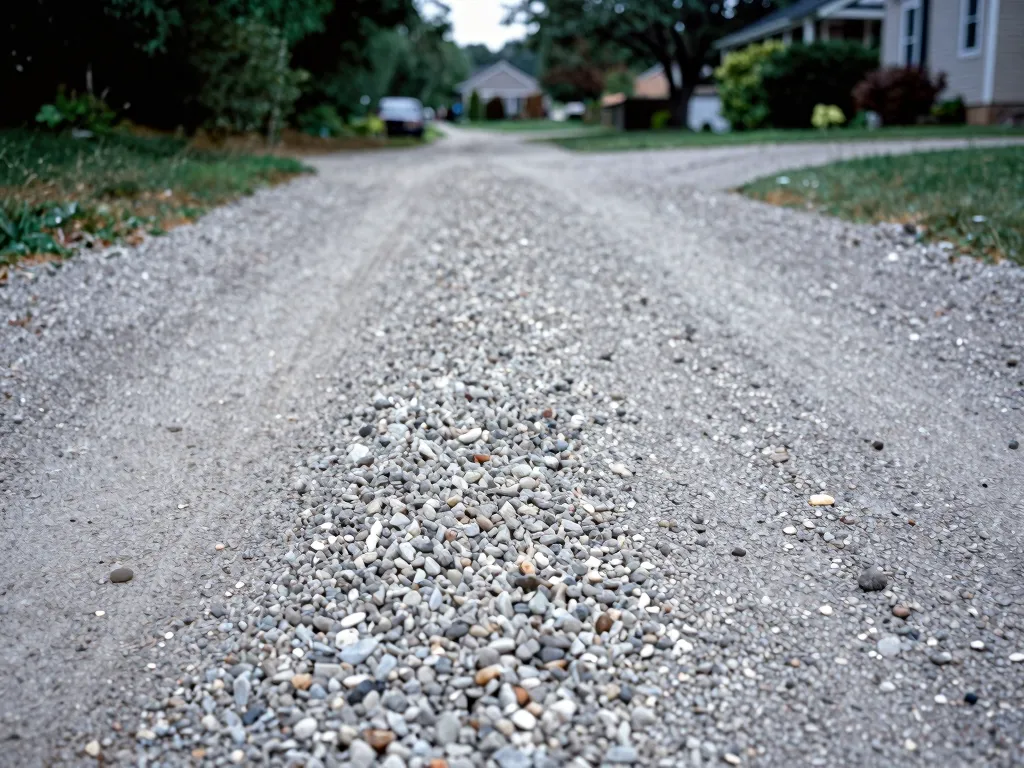
A compacted gravel driveway for light residential use typically needs 4 to 6 inches of gravel over a properly prepared subgrade and sub-base—that’s the clear starting point.
What that number depends on
That 4–6‑inch recommendation assumes a prepared subgrade and a standard driveway. It changes if the soil is soft, traffic is heavy, or a steeper climate (freeze–thaw, rain) accelerates erosion. On clay-heavy ground, or when trucks or RVs visit occasionally, experts push the total compacted depth to 8–12 inches, spread across multiple layers—base, sub‑base, surface—for strength and drainage (blog.harborsoils.com).
How it varies by condition or region
In wet regions like the Pacific Northwest, a three-layer build is the norm: clean crushed rock base, mid‑grade sub‑base, and finer surface gravel, compacting to at least 8 inches and often 10–12 inches for soft soils or heavier loads (blog.harborsoils.com). Generally, light residential driveways stick with 4–6 inches, while heavier use or poor subgrade calls for 8–12 inches (calcsummit.com).
Common mistakes and why they matter
Going too thin—under 4 inches—almost guarantees rutting, shifting, and maintenance headaches (mariongraveldriveways.com). Skipping the sub‑base or base layer stalls compaction and structural support; surface gravel alone settles into soil or clay and fails fast (blog.harborsoils.com). Neglecting drainage—no crown or slope—lets water sit and arteries of erosion form, undermining the gravel regardless of thickness (smokymountainsg.com).
Cost or timing considerations
Gravel prices in 2026 range around $22 to $50 per ton. Topping up a 1,000‑square‑foot driveway with a 1‑inch layer costs $110–$280 in materials (plus delivery), or $210–$530 if a contractor supplies and spreads it (bovees.com). A bad sub‑base forces frequent regrading and repairs—the initial savings vanish over a few years as surface collapses and you spend $200–$400 annually (bovees.com). Spending a bit more at the start on a solid base saves far more later.
What to ask your supplier or contractor
Specify that the depth numbers are for compacted thickness, not loose — loose gravel can compact 20–25%, meaning you need more material to reach final depth (blog.harborsoils.com). Ask for layer details: compressed sub‑base, base, and surface gravel; plus confirmation they’ll build the drive crowned for water runoff (hellogravel.com). Insist on compaction and, on problem soil, geotextile fabric to separate fine soil from sand/gravel (blog.harborsoils.com).
Worked example
A worked example exists: a 200‑foot‑long by 10‑foot‑wide driveway (2,000 sq ft) at a standard 6‑inch compacted depth relies on 40.7 cubic yards and amounts to about 57.0 tons of gravel. Keep that number in mind when you’re ordering or comparing quotes—you’ll need around that much if you’re targeting roughly a 6‑inch thickness on that project.
Final thoughts
Go for no less than 4–6 inches of compacted gravel if your soil’s stable and traffic’s light. Push that to 8–12 inches with layers if soil’s poor or loads are heavy. Don’t skip base prep, compaction, drainage, or fabric; those keep your driveway solid and reduce long-term costs. When you’re ready to dial in exact amounts, use the Gravel Driveway Planner.
Sources
- Gravel Driveway Guide: Best Gravel, Cost & Install (Kitsap)
- Gravel Calculator – Free Cubic Yards & Tons Tool | CalcSummit
- Avoid These Mistakes When Installing Your Gravel Driveway
- How to Build a Gravel Driveway: Complete DIY Guide | Smoky Mountain Sand & Gravel
- Factors Affecting Driveway Gravel Maintenance Cost 2026
- Gravel Driveway Materials: Road Base Depth, Tons & Layers - Hello Gravel