When Is the Best Time to Overseed Your Lawn?
Published August 13, 2026
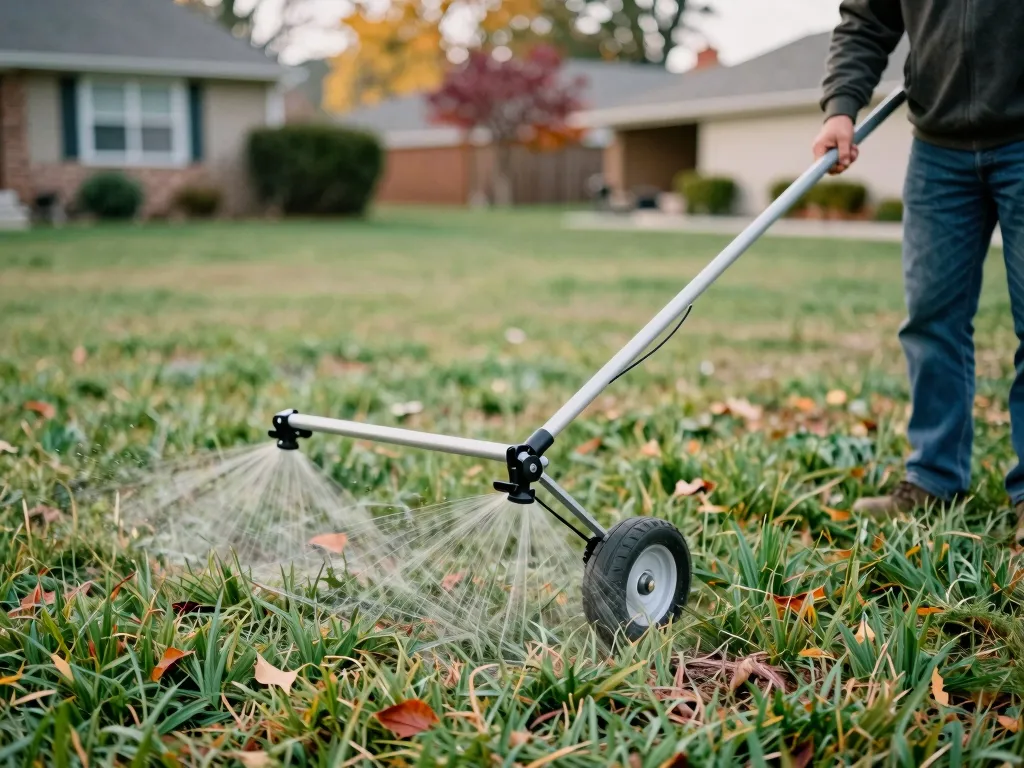
Late summer through early fall—typically mid‑August to mid‑September—is the best time to overseed your lawn.
What That Number Depends On
That window works so well because the warm soil kick‑starts germination, then the cool nights and frequent rain help seedlings grow strong before winter. These conditions give cool‑season grasses like Kentucky bluegrass and tall fescue a head start on establishing roots without fierce weed competition. Several university extension programs highlight that mid‑August to mid‑September is the preferred time for overseeding (yardandgarden.extension.iastate.edu).
Some regions refine this timing further. In eastern Nebraska, overseeding is recommended between August 15 and September 15. In western Nebraska, it’s August 15 to September 5 (turf.unl.edu). In Wisconsin, late August into early September is noted as “ideal” for lawn renovation including overseeding (iron.extension.wisc.edu).
Spring can serve as a secondary option, especially if you missed fall. But it comes with downsides: weaker establishment, more weeds, and unpredictable weather. University of Minnesota Extension calls spring “the second best time” after mid‑August to mid‑September (extension.umn.edu).
Why It Varies by Region and Conditions
Regional climate affects ideal timing. For instance, central and north Texas—which rely on warm‑season grasses—see overseeding recommended in early to late October when overseeding with perennial ryegrass, but extensions caution about disease and transition issues (agrilifeextension.tamu.edu). In Florida, overseeding with ryegrass for winter color begins around October to early November in North Florida, and into December in Central Florida (journals.flvc.org).
Cool‑season grass regions universally favor late summer into early fall. Maryland Extension emphasizes that early autumn (around September) is best for cool‑season grasses, and advises caution against spring overseeding unless you can manage watering and weed competition carefully (ask.extension.org).
Common Mistakes to Watch For
A big slip is spring overseeding without considering weed competition or watering challenges—spring seedlings are slow, competing with weeds and vulnerable to frost or heavy rain (ask.extension.org). Another misstep: overseeding without customizing timing to grass type or region; Texas overseeding timing differs from Nebraska’s, for good reason (agrilifeextension.tamu.edu).
Skipping soil preparation is another error. Extensions strongly recommend core aeration or slit seeding to improve seed‑to‑soil contact, which boosts germination and establishment (yardandgarden.extension.iastate.edu).
Cost and Timing Considerations
Fall overseeding is often paired with aeration and fertilization, so timing matters. Some regions suggest coordinating overseeding with Labor Day, which aligns with fertilizer schedules and cooler soil temps (hort.extension.wisc.edu). Delaying beyond mid‑September can dramatically slow turf maturity, especially for cool‑season grasses like tall fescue, which need time to cold‑harden (extension.unl.edu).
If overseeding in spring, expect slower results and potentially needing a second round or higher seeding rates, increasing time and materials. Conversely, fall gives a longer window before lawn dormancy, making better use of your effort.
What to Ask or Check Before You Seed
Ask yourself:
• What grass type do you have—cool‑season or warm‑season?
• What’s your region’s typical first frost date? Know your deadlines.
• What’s the current soil condition—compacted, thatchy, or bare? You may need aeration or dethatching first (yardandgarden.extension.iastate.edu).
• What seed blend fits your sunlight conditions—sun, shade, or wear? For example, Kentucky bluegrass mixes well for sun, and fine‑leaf fescues suit shade (yardandgarden.extension.iastate.edu).
• What’s your weed control plan? Avoid pre‑emergent herbicides that kill grass seed; post‑emergents may be safe, depending on label (ask.extension.org).
Also, confirm you can water regularly during germination. Maryland Extension warns against overseeding if you can’t monitor watering, since seedlings can easily dry out (ask.extension.org).
What to Do—Clear and Simple
Overseed in mid‑August through mid‑September unless:
• You’re in a warm‑season grass region needing different timing (like October in Texas or late fall in Florida).
• You missed that window—in which case spring is a fallback, but less ideal.
Prep with aeration or slit seeding. Pick a seed blend suited to your light and wear conditions. Keep the seedbed moist. And skip pre‑emergent herbicides that block seed germination.
Give fall that edge—cool soils, warm days, fewer weeds—so your lawn fills in before winter.
Here’s your next step: plan your project with the Lawn Seed Planner.
Sources
- Overseeding a Lawn | Yard and Garden
- Overseeding in the Fall | Turfgrass Science | Nebraska
- Ideal Time for Lawn Renovation Approaching - August 12, 2024
- Renovating a lawn for quality and sustainability | UMN Extension
- DEPARTMENT OF SOIL AND CROP SCIENCES — DISTRICTS 4 & 8
- Archival copy: for current recommendations see http://edis.ifas.ufl.edu or your local extension office.
- When to overseed lawn if I'm going out of town - Ask Extension
- Lawn Maintenance – Wisconsin Horticulture
- Almost Time for Fall Lawn Seeding
- Overseeding a lawn - Ask Extension